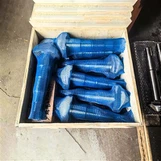
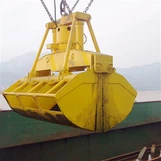
As a seasoned supplier of grab hydraulic cylinders, I've witnessed firsthand the pivotal role these components play in various industrial applications. The durability of a grab hydraulic cylinder is not just a matter of product longevity; it's about ensuring seamless operations, minimizing downtime, and optimizing overall productivity. In this blog, I'll share some practical strategies to enhance the durability of grab hydraulic cylinders, drawing on my years of experience in the industry.
Understanding the Basics of Grab Hydraulic Cylinders
Before delving into the ways to improve durability, it's essential to have a clear understanding of how grab hydraulic cylinders work. These cylinders are the heart of grab systems, converting hydraulic energy into mechanical force to open and close the grab. They are commonly used in industries such as construction, mining, and waste management, where heavy lifting and precise control are required.
The basic components of a grab hydraulic cylinder include the cylinder barrel, piston, rod, seals, and end caps. Each component plays a crucial role in the cylinder's performance and durability. For instance, the cylinder barrel provides the housing for the piston and rod, while the seals prevent hydraulic fluid from leaking and contaminants from entering the cylinder.
Proper Installation and Maintenance
One of the most effective ways to improve the durability of a grab hydraulic cylinder is to ensure proper installation and maintenance. Here are some key points to consider:
- Installation: During installation, it's important to follow the manufacturer's guidelines carefully. This includes ensuring proper alignment of the cylinder, tightening all bolts to the specified torque, and using the correct hydraulic fluid. Incorrect installation can lead to premature wear and tear, as well as potential safety hazards.
- Lubrication: Regular lubrication is essential to reduce friction and wear between the moving parts of the cylinder. Use a high-quality lubricant that is compatible with the hydraulic fluid and the materials used in the cylinder. Follow the manufacturer's recommendations for lubrication intervals and procedures.
- Seal Inspection and Replacement: The seals in a grab hydraulic cylinder are critical for preventing fluid leakage and maintaining system pressure. Inspect the seals regularly for signs of wear, damage, or leakage. Replace any worn or damaged seals promptly to prevent further damage to the cylinder.
- Fluid Analysis: Regular fluid analysis can help detect potential problems early and prevent costly breakdowns. Analyze the hydraulic fluid for contaminants, such as dirt, water, and metal particles, as well as for changes in viscosity and chemical properties. Based on the analysis results, take appropriate measures, such as changing the fluid or adding additives.
Material Selection
The choice of materials used in the construction of a grab hydraulic cylinder can significantly impact its durability. Here are some factors to consider when selecting materials:
- Strength and Hardness: The cylinder barrel, piston, and rod should be made of materials with high strength and hardness to withstand the high pressures and forces generated during operation. Common materials used for these components include steel, stainless steel, and aluminum alloys.
- Corrosion Resistance: In harsh environments, such as marine or mining applications, the cylinder should be made of materials that are resistant to corrosion. Stainless steel and coated steel are often used in these applications to prevent rust and other forms of corrosion.
- Seal Compatibility: The seals in the cylinder should be compatible with the hydraulic fluid and the materials used in the cylinder. Using incompatible seals can lead to seal failure, fluid leakage, and reduced cylinder performance.
Operational Considerations
How the grab hydraulic cylinder is operated can also affect its durability. Here are some operational considerations to keep in mind:
- Load Capacity: Do not exceed the rated load capacity of the cylinder. Overloading can cause excessive stress on the cylinder components, leading to premature wear and failure.
- Operating Pressure: Operate the cylinder within the specified pressure range. Excessive pressure can cause damage to the seals, valves, and other components of the hydraulic system.
- Temperature Control: Keep the hydraulic fluid temperature within the recommended range. High temperatures can cause the fluid to break down, leading to reduced lubrication and increased wear. Low temperatures can cause the fluid to thicken, making it difficult for the cylinder to operate smoothly.
- Shock and Vibration: Minimize shock and vibration during operation. Sudden shocks and vibrations can cause damage to the cylinder components, as well as to the hydraulic system as a whole.
Upgrading and Retrofit Options
If you're looking to improve the durability of an existing grab hydraulic cylinder, there are several upgrading and retrofit options available. Here are some examples:
- Seal Upgrades: Upgrading the seals in the cylinder can improve their performance and durability. Consider using high-performance seals that are designed to withstand higher pressures, temperatures, and contaminants.
- Coating Applications: Applying a protective coating to the cylinder barrel and rod can help prevent corrosion and wear. There are various types of coatings available, such as chrome plating, nickel plating, and ceramic coatings.
- Component Replacement: If certain components of the cylinder are worn or damaged beyond repair, consider replacing them with new, high-quality components. This can help restore the cylinder's performance and extend its lifespan.
Conclusion
Improving the durability of a grab hydraulic cylinder requires a comprehensive approach that includes proper installation, maintenance, material selection, operational considerations, and upgrading options. By following these strategies, you can ensure that your grab hydraulic cylinders operate reliably and efficiently for many years to come.
If you're interested in learning more about grab hydraulic cylinders or have any questions about improving their durability, please feel free to contact us. We're a leading supplier of grab hydraulic cylinders and other marine equipment accessories, including Electric motor Crane Hook suspension, Customized Electro-Hydraulic Winch, and Spreader Flipper. Our team of experts is ready to assist you with your procurement needs and provide you with the best solutions for your applications.


References
- Manufacturer's manuals and technical specifications
- Industry standards and best practices
- Technical articles and research papers on hydraulic cylinders and related topics