

Can a four rope grab bucket be used in a wet environment?
As a seasoned supplier of four rope grab buckets, I've encountered numerous inquiries regarding their suitability for wet environments. This question is crucial for industries such as marine construction, dredging, and mining, where wet or underwater operations are common. In this blog post, I'll delve into the technical aspects, advantages, and potential challenges of using four rope grab buckets in wet conditions.
Understanding the Four Rope Grab Bucket
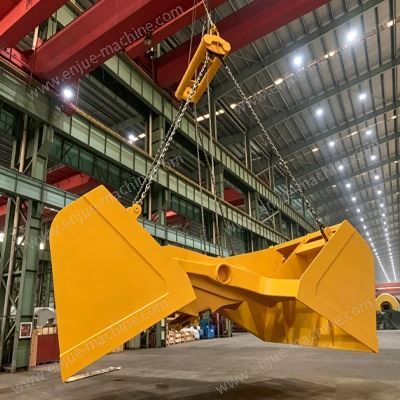
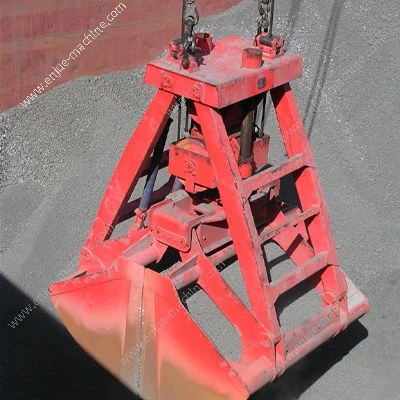
Before discussing its use in wet environments, let's briefly understand what a four rope grab bucket is. It is a highly efficient and versatile handling tool that consists of two or more jaws connected to a frame. Four ropes are used to control the opening, closing, lifting, and lowering of the grab. The ropes are typically operated by a crane or a hoist, which allows for precise control and high lifting capacity.
The four rope design provides several advantages over other types of grab buckets. It offers better balance and stability during operation, which is essential for handling heavy and irregularly shaped materials. Additionally, the independent control of the opening and closing ropes allows for more precise loading and unloading, reducing the risk of spillage and damage to the materials.


Suitability for Wet Environments
One of the key advantages of four‑rope grab buckets is their ability to operate effectively in wet environments. Please note: standard four‑rope grabs fit intermittent wet conditions, splash zones and tidal zones, but are not designed for long‑term full submergence underwater. For salt‑water marine applications, marine‑grade anti‑corrosion configurations are mandatory. The design and construction of these grab buckets make them resistant to water and corrosion, which is essential for long‑term use in marine or intermittently submerged applications.
Most four‑rope grab buckets are made from high‑quality steel or other corrosion‑resistant materials. For salt‑water projects, optional upgrades include stainless steel components and hot‑dip galvanized steel. These metal surfaces are coated with heavy‑duty protective coating to prevent rust and corrosion, ensuring the durability and reliability of the grab bucket in wet conditions.
In addition to the materials used, the design of the four‑rope grab bucket also plays a crucial role in its suitability for wet environments. The grab bucket is typically sealed to prevent water from entering the internal components, such as rope connection points and hydraulic assemblies. This helps to prevent damage to these components and ensures the smooth operation of the grab bucket.
Advantages of Using a Four Rope Grab Bucket in a Wet Environment
There are several advantages to using a four rope grab bucket in a wet environment:
-
High Efficiency: Four‑rope grab buckets are designed to handle large volumes of materials quickly and efficiently. In a wet environment, where materials may be heavier and more difficult to handle, the high lifting capacity and precise control of the four‑rope grab bucket make it an ideal choice for loading and unloading operations.
-
Versatility: Four‑rope grab buckets can be used to handle a wide range of materials, including sand, gravel, coal, and rock. This versatility makes them suitable for a variety of industries, such as mining, construction, and dredging, where wet or intermittently submerged operations are common. -
Safety: The four‑rope design of the grab bucket provides better balance and stability during operation, reducing the risk of accidents and injuries. Additionally, the independent control of the opening and closing ropes allows for more precise loading and unloading, reducing the risk of spillage and damage to the materials. -
Durability: As mentioned earlier, four‑rope grab buckets built with proper anti‑corrosion treatments are resistant to water and corrosion. This ensures the durability and reliability of the grab bucket in wet conditions, reducing the need for frequent maintenance and replacement.
Potential Challenges and Solutions
While four rope grab buckets are well-suited for use in wet environments, there are some potential challenges that need to be considered:
- Corrosion: Despite the use of corrosion-resistant materials and protective coatings, the constant exposure to water and moisture can still cause corrosion over time. To prevent this, regular maintenance and inspection of the grab bucket are essential. This includes cleaning the grab bucket after each use, checking for signs of corrosion or damage, and applying a new protective coating as needed.
- Hydraulic System Issues: The hydraulic system of the four rope grab bucket is critical for its operation. In a wet environment, the hydraulic system may be more prone to damage or malfunction due to the presence of water and moisture. To prevent this, it is important to ensure that the hydraulic system is properly sealed and protected from the elements. Regular maintenance and inspection of the hydraulic system are also essential to ensure its smooth operation.
- Rope Wear: The ropes of the four rope grab bucket are subjected to a lot of stress and friction during operation, especially in a wet environment. This can cause the ropes to wear out more quickly, reducing their lifespan and increasing the risk of failure. To prevent this, it is important to use high-quality ropes and to regularly inspect and replace them as needed.
Other Types of Grab Buckets for Wet Environments
In addition to four rope grab buckets, there are several other types of grab buckets that are suitable for use in wet environments:
-
Orange peel grabs: These grab buckets are designed with multiple flaps that can be opened and closed independently, allowing for more precise handling of materials. They are commonly used in dredging and mining operations.
-
-
Clamshell grab buckets: As the name suggests, dual grab buckets consist of two grab buckets that are attached to a single frame. This design allows for increased efficiency and productivity, especially in applications where large volumes of materials need to be handled.
-
-
Single‑rope grab buckets: Single‑rope grab buckets are simpler in design than four‑rope grab buckets and are typically used for lighter‑duty applications. They are easy to operate and maintain, making them a popular choice for small‑scale operations.
-
-
Coal grabs: Coal grabs are specifically designed for handling coal and other bulk materials. They are typically made from high‑strength steel and are designed to withstand the harsh conditions of coal mining and transportation.
-
-
Four‑rope scissor grabs: Four‑rope scissor grabs are similar to four‑rope grab buckets, but they have a scissor‑like design that allows for greater opening and closing force. They are commonly used in applications where large and heavy materials need to be handled.
Conclusion
In conclusion, four‑rope grab buckets are well‑suited for wet, splash and tidal‑zone working conditions with proper anti‑corrosion configuration. They deliver high efficiency, versatility, safety, and long service life. However, it is important to consider the potential challenges and take appropriate measures to prevent corrosion, hydraulic system failures, and accelerated rope wear.
Standard‑specification units are recommended for fresh‑water wet conditions, while marine‑grade anti‑corrosion versions shall be selected for seawater working scenarios. By choosing the right type of grab bucket and ensuring proper maintenance and inspection, you can ensure the smooth operation of your equipment and maximize your productivity in wet or intermittently submerged applications.
If you're interested in learning more about four rope grab buckets or other types of grab buckets for wet environments, please feel free to contact us for a consultation. Our team of experts will be happy to help you find the right solution for your needs.


