

Hey there! As a supplier of Mobile Hoppers, I'm super stoked to chat with you about the awesome automation capabilities of these nifty machines. Mobile Hoppers are like the unsung heroes of material handling, and their automation features take things to a whole new level.
Let's start with the basics. A Mobile Hopper is a versatile piece of equipment that can be moved around easily, making it perfect for various industries. Whether you're in construction, mining, or agriculture, a Mobile Hopper can be a game - changer. So, what are its automation capabilities?
1. Automated Loading
One of the key automation features of a Mobile Hopper is automated loading. With the help of advanced sensors and control systems, the hopper can detect when it's time to start loading. For example, if you're using it at a construction site to handle gravel, the hopper can sense the position of the loader or conveyor belt that's bringing in the material.
Once the material source is in place, the hopper's automated loading system kicks in. It can adjust the speed and angle of the loading mechanism to ensure a smooth and efficient transfer of materials. This not only saves time but also reduces the need for manual intervention. You don't have to have a worker constantly monitoring the loading process, which means less labor costs and more productivity.
Think about it. In a busy construction project, every minute counts. By automating the loading process of your Mobile Hopper, you can keep the materials flowing steadily to where they need to be. And if you're interested in equipment that can work in tandem with your Mobile Hopper for efficient loading, you might want to check out the 20ft Containerized Bagging Machine. It's a great option for handling bulk materials in containers.

2. Automatic Weighing
Another cool automation feature is automatic weighing. Many modern Mobile Hoppers come equipped with built - in weighing systems. These systems can accurately measure the amount of material that's being loaded into or unloaded from the hopper.
Why is this important? Well, in industries like mining and agriculture, accurate weighing is crucial for inventory management and billing purposes. For instance, if you're a mining company, you need to know exactly how much ore you're transporting out of the mine. The automatic weighing feature of a Mobile Hopper allows you to get real - time weight data, which can be transmitted to your management system for further analysis.
This automation also helps in maintaining quality control. If you're producing a product that requires a specific amount of raw materials, the automatic weighing ensures that you're using the right quantity every time. And if you need a more full - fledged automatic weighing solution, the Automatic Bagging And Weighing Machine might be just what you're looking for.
3. Automated Unloading
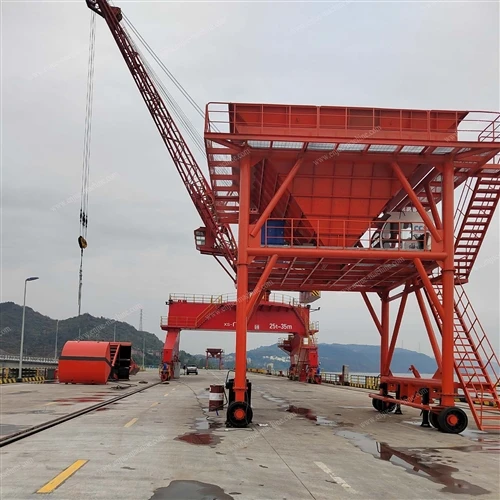
Automated unloading is yet another significant automation capability of Mobile Hoppers. Once the hopper is filled with the material, it can be programmed to unload the material at the desired location. This is especially useful in ports and terminals.
At a port, for example, a Mobile Hopper can be positioned close to the cargo ship. Using its automated unloading system, it can transfer the goods from the hopper to a conveyor belt or directly into a container. The system can adjust the flow rate of the material during unloading, ensuring that there's no spillage or blockage.
This kind of automation streamlines the cargo handling process. It reduces the time it takes to unload a ship, which in turn increases the port's throughput. If you're in the port business, you might also be interested in our Terminal Hopper, which can work in conjunction with a Mobile Hopper for efficient terminal operations.
4. Remote Monitoring and Control
Perhaps one of the most futuristic automation capabilities of a Mobile Hopper is remote monitoring and control. Thanks to the Internet of Things (IoT) technology, you can keep an eye on your hopper's performance from anywhere in the world.
You can use a smartphone app or a web - based interface to monitor key parameters such as the level of material in the hopper, the temperature of the hopper's components, and the status of the loading and unloading systems. If there's an issue, like a sensor malfunction or a blockage, the system can send you an alert immediately.
This also allows for remote control of the hopper. You can start or stop the loading and unloading processes, adjust the settings, and even troubleshoot some problems without having to be physically present at the site. It gives you a lot of flexibility and peace of mind, knowing that you can manage your equipment no matter where you are.
5. Integration with Other Systems
A Mobile Hopper can be easily integrated with other equipment and systems in your operation. Whether it's a conveyor belt system, a packaging machine, or a warehouse management system, the hopper can communicate and work in harmony with these other components.
For example, in a factory setting, the Mobile Hopper can be connected to a conveyor belt that transports the materials to different production stations. The hopper can release the right amount of material at the right time, based on the production schedule. This integration improves the overall efficiency of the production line.
If you're looking for a machine that can work well in an integrated setup at a port, our Port Bagging Machine can be a great addition to your Mobile Hopper.
6. Self - Diagnostic and Maintenance Alerts
Modern Mobile Hoppers are smart enough to perform self - diagnostics. They can continuously monitor their own components and systems to detect any signs of wear and tear or potential problems.
When an issue is detected, the hopper can generate a maintenance alert. This alert can be sent to your maintenance team, letting them know what needs to be fixed and when. By catching problems early, you can prevent major breakdowns and reduce downtime.
This self - diagnostic feature also helps in scheduling preventive maintenance. Instead of relying on a fixed maintenance schedule, you can base your maintenance activities on the actual condition of the hopper. This not only saves money on unnecessary maintenance but also extends the lifespan of the equipment.
Applications
Coal Handling
In the coal sector, port‑mobile hoppers are widely used to unload coal from bulk carriers for fast transfer to stockyards or trucks. Their large capacity and high throughput deliver highly efficient coal loading and unloading operations.
Ore Handling
Ore typically features heavy weight and large volume, requiring high‑load‑capacity equipment. Port‑mobile hoppers withstand heavy loads and rapidly feed ore to subsequent processing stages, making them an ideal solution for ore handling.
Grain Handling
For grain operations, port‑mobile hoppers receive grain from grab ship unloaders and discharge it safely and rapidly to trucks or downstream equipment. Their dust‑proof design effectively mitigates dust pollution generated during grain handling.
Cement and Construction Materials
When handling cement, sand, gravel, and other construction materials, port‑mobile hoppers ensure efficient loading, unloading, and conveying – minimising material loss and improving operational productivity. Their dust suppression system is particularly suitable for dust‑prone bulk materials.


Conclusion
So, there you have it! The automation capabilities of a Mobile Hopper are truly remarkable. From automated loading and weighing to remote monitoring and self - diagnostics, these features bring a whole new level of efficiency, productivity, and cost - savings to your operations.
If you're in the market for a Mobile Hopper or want to learn more about how it can fit into your business, don't hesitate to reach out. Our team of experts is always ready to answer any questions you might have and help you find the perfect solution for your needs. Whether you need a Rubber Tire Type Mobile Port Hopper for port operations or a hopper for a different industry, we've got you covered. Contact us today to start the conversation about how our Mobile Hoppers can transform your material handling processes.


