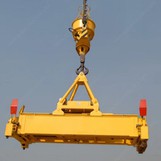
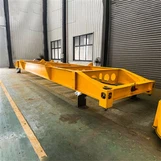
Hey there! As a supplier of marine cranes, I often get asked about the installation steps of these nifty machines. So, I thought I'd put together a blog post to walk you through the whole process. Whether you're looking at an Amphibious Multifunctional Crane Dredger, Yacht Cranes, or a 1T 8M Stiff Boom Crane, the general installation steps are quite similar.
Step 1: Site Assessment and Planning
Before you even start unpacking the crane parts, you need to do a thorough site assessment. This means checking out the location where the crane will be installed. You've got to look at the ground conditions - is it stable? If it's on a ship, you need to make sure the deck can handle the weight of the crane and its loads. Measure the available space to ensure the crane will fit properly without any obstructions.
You also need to plan the access routes for transporting the crane components to the installation site. Think about how the parts will be moved around, and if there are any special requirements for lifting them into place. This is a crucial step because any oversight here can lead to major headaches later on.
Step 2: Unpacking and Inspection
Once you've sorted out the site, it's time to unpack the crane. Carefully remove all the parts from their packaging, making sure not to damage anything. As you unpack, do a detailed inspection of each component. Look for any signs of damage, like dents, cracks, or missing parts. If you find anything wrong, contact us right away, and we'll sort it out.
It's a good idea to lay out all the parts in an organized way so you can easily identify what you have and what goes where. This will save you a lot of time when it comes to the actual installation.


Step 3: Foundation Installation
The foundation is the base of the crane, and it's super important. If the foundation isn't installed correctly, the crane won't be stable, and that's a big safety risk. For a marine crane, the foundation might be a steel structure on the ship's deck or a concrete pad on a port.
First, clean the surface where the foundation will be placed. Then, position the foundation components according to the design specifications. Make sure they are level and aligned properly. Use bolts or welding to secure the foundation firmly in place. Check the alignment again after the foundation is installed to ensure it meets the required tolerances.
Step 4: Assembly of the Crane
Now comes the fun part - putting the crane together. Start with the main structure. Attach the boom, jib, and other major components according to the assembly instructions. Use the right tools and follow the torque specifications for all the bolts. This is not a job for guesswork; everything needs to be done precisely.
As you assemble the crane, make sure to connect all the mechanical, electrical, and hydraulic systems. Check the wiring for any loose connections, and make sure the hydraulic hoses are properly attached and leak-free. This is a complex process, so it's a good idea to have an experienced technician on hand to oversee the assembly.
Step 5: Installation of the Control System
The control system is the brain of the crane. It allows the operator to control the movement and functions of the crane. Install the control panel in a convenient and accessible location. Connect all the cables from the control panel to the various components of the crane.
Test the control system to make sure it's working properly. Check all the functions, like lifting, lowering, slewing, and telescoping. If there are any issues, troubleshoot them immediately. A properly functioning control system is essential for the safe and efficient operation of the crane.
Step 6: Testing and Commissioning
Once the crane is fully assembled and the control system is installed, it's time for testing. Start with a static test. Apply a test load to the crane and check for any signs of instability or deformation. Make sure the crane can handle the rated load without any problems.
After the static test, do a dynamic test. Operate the crane through all its functions, lifting and moving loads at different speeds and angles. Monitor the performance of the crane closely during the dynamic test. Check for any abnormal noises, vibrations, or malfunctions.
If the crane passes all the tests, it's ready for commissioning. This means it's officially ready to be put into service. But even after commissioning, it's a good idea to do some regular maintenance and checks to keep the crane in top condition.
Step 7: Training for the Operators
The last step, but definitely not the least important, is training the operators. A well-trained operator is key to the safe and efficient operation of the crane. Provide comprehensive training on the crane's functions, controls, safety procedures, and maintenance requirements.
The training should include both theoretical and practical sessions. The operators should be able to demonstrate their ability to operate the crane safely and correctly before they are allowed to use it on their own.
So, there you have it - the installation steps of a marine crane. It's a complex process, but with the right planning, tools, and expertise, it can be done smoothly. If you're thinking about purchasing a marine crane, we're here to help you every step of the way. We offer high-quality cranes, professional installation services, and excellent after-sales support.
If you have any questions or are interested in purchasing a marine crane, don't hesitate to get in touch with us. We're always happy to discuss your requirements and find the best solution for you. Let's work together to get your marine crane up and running!
References
- Crane Manufacturer's Installation Manuals
- Industry Standards for Marine Crane Installation