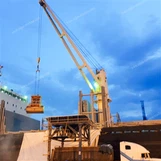
Hey there! As a supplier of Clamshell Grab Buckets, I've seen firsthand the significance of calibration in these nifty pieces of equipment. In this blog, I'll break down why calibrating a Clamshell Grab Bucket is so important and how it can make a huge difference in your operations.
First off, let's talk about what a Clamshell Grab Bucket is. It's a type of bucket used mainly in construction, mining, and marine industries. The bucket has two or more hinged jaws that can open and close, much like a clamshell. This design allows it to grab, hold, and transport all sorts of materials, from loose soil and gravel to heavy rocks and debris. You can check out our range of Clamshell Bucket For Crane to get a better idea of the different models available.
So, why is calibration necessary? Well, calibration is all about making sure that the Clamshell Grab Bucket is operating at its best. When you calibrate a grab bucket, you're essentially fine - tuning it to ensure that all its components work in harmony. This includes the jaws, the hydraulic system, and the sensors (if it's an advanced model).
One of the key reasons for calibration is accuracy. An accurately calibrated Clamshell Grab Bucket can pick up the right amount of material every time. If the bucket isn't calibrated correctly, it might either pick up too little or too much. Picking up too little means you'll have to make more trips, which wastes time and fuel. On the other hand, picking up too much can overload the bucket and the crane, leading to potential safety hazards. For instance, if the bucket is overloaded, it could cause the crane to tip over, endangering the operators and everyone around the work site.
Another important aspect is the wear and tear on the equipment. When a Clamshell Grab Bucket is calibrated properly, the stress on its components is evenly distributed. This means that the jaws, hydraulic cylinders, and other parts won't wear out as quickly. For example, if the jaws aren't closing evenly due to a calibration issue, one side of the jaw might experience more friction and wear than the other. Over time, this can lead to premature failure of the jaw, which is not only costly to replace but also causes downtime in your operations.
Calibration also plays a role in safety. A well - calibrated Clamshell Grab Bucket is less likely to malfunction during operation. In the case of an Enlcosed Clamshell Grab, which is often used in marine environments to handle things like sand and mud, proper calibration ensures that the bucket closes tightly. This prevents the material from spilling out during lifting and transporting, which could otherwise cause environmental pollution or create slippery surfaces around the work area.
Now, let's talk about how calibration works. Usually, calibration involves a series of tests and adjustments. First, the technician will check the alignment of the jaws. They'll make sure that the jaws open and close symmetrically and that the gap between them is consistent. This might involve adjusting the hydraulic pressure in the cylinders that control the jaws.
Next, they'll test the load - sensing capabilities of the bucket (if it has them). This ensures that the bucket can accurately measure the weight of the material it's holding. If the load - sensing system is off, it could give false readings, which can lead to overloading or under - loading as mentioned earlier.
The hydraulic system is another crucial part to calibrate. The hydraulic fluid pressure needs to be set at the right level. If the pressure is too low, the jaws might not close tightly enough, and if it's too high, it can put unnecessary stress on the hydraulic components.
Regular calibration is also essential. Over time, the components of a Clamshell Grab Bucket will naturally shift and wear. Even small changes can affect its performance. That's why it's recommended to calibrate the bucket at regular intervals, say every few months or after a certain number of operating hours. This way, you can catch any issues early and prevent them from turning into major problems.
In some industries, like mining and large - scale construction, there are often strict regulations regarding the calibration of equipment. Failing to calibrate your Clamshell Grab Bucket can result in fines and legal issues. So, it's not just about performance and safety; it's also about staying compliant with the law.
If you're in the market for a new Clamshell Grab Bucket, or if you need to have your existing one calibrated, we've got you covered. Our team of experts can help you choose the right bucket for your specific needs, whether it's a standard Clamshell Bucket For Crane or a more specialized Dual Grab Bucket. And we also offer calibration services to ensure that your equipment is always in top - notch condition.
In conclusion, calibrating a Clamshell Grab Bucket is not just a technicality; it's a crucial step in ensuring the efficiency, safety, and longevity of your equipment. By investing in proper calibration, you can save time, money, and avoid potential disasters. So, if you're looking to improve your operations and get the most out of your Clamshell Grab Bucket, don't hesitate to reach out to us. We're here to help you make the most of your equipment and keep your projects running smoothly.
If you have any questions about our Clamshell Grab Buckets or calibration services, feel free to get in touch. We're always happy to discuss your requirements and find the best solutions for you. Let's work together to take your operations to the next level!
References:


- Industry standards for Clamshell Grab Bucket operation and calibration
- Manufacturer's guidelines for Clamshell Grab Bucket maintenance and calibration