

Crane hook blocks play a vital role in lifting operations, ensuring the safe and efficient handling of heavy loads. A wide variety of hook blocks are available on the market, and selecting the appropriate model can significantly impact the safety, efficiency, and success of lifting tasks. This guide introduces different types of crane hook blocks, their characteristics, and practical applications to help you make informed selections.
What is a Crane Hook Block?
The crane hook block, also known as the bottom block, is a key component of crane systems used for hoisting heavy loads. It typically consists of a crane hook, sheave block, cross beam, hook safety latch, support plates, bearings, and other parts. It is applicable to bridge cranes, tower cranes, shipyard cranes, and other industrial hoisting systems.
ENJUE Forging manufactures products in strict accordance with DIN and FEM standards to ensure durability and reliability under various working conditions.
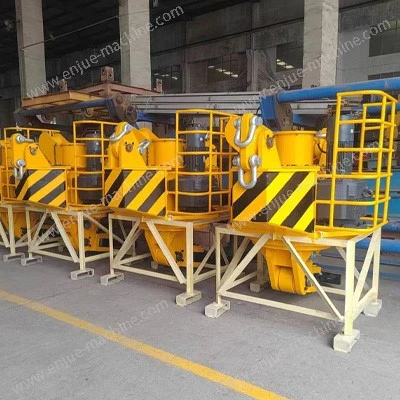

Components of Crane Hook Block
Hook: The primary component that comes into direct contact with the load.
Sheave : Wheels that guide ropes or cables, reducing friction during hoisting.
Frame / Body: Provides structural support and houses other internal components.
Safety Latch: Prevents accidental disengagement of the load from the hook.
Bearing System: Ensures smooth rotation under loaded conditions.
These components work in tandem to optimize load handling efficiency and maintain safety standards.

Types of Crane Hook Bolck
Crane hook Blocks are available in multiple designs, each customized for specific hoisting requirements.
Single Hook block
Design: A single hook attached to the sheave assembly.
Load Capacity: Suitable for loads up to 75 tons.
Application: General hoisting operations in construction, warehouses, and material handling.
Advantages: Simple design, user‑friendly, and cost‑effective.
Double Hook Sheave Assembly
Design: Equipped with two hooks for improved load distribution.
Capacity: Engineered for heavy‑duty applications, capable of handling loads exceeding 75 tons.
Application: Widely used in shipbuilding, mining, and steel manufacturing.
Advantages: Suitable for heavy loads with enhanced stability and load‑bearing capacity.
Forged Hook Block
Design: Fabricated from a single piece of high‑quality low‑carbon steel via forging.
Load Capacity: Generally used for loads below 80 tons.
Application: Vertical lifting tasks in manufacturing and production plants.
Advantages: High strength, excellent durability, and wear resistance.
How Does a Crane Hook Block Work?
The working principle of a crane hook block relies on mechanical advantage.
When the hoisting mechanism pulls the wire rope:
The rope runs through multiple sheave assemblies
The load is distributed across several rope segments
The lifting force is amplified
This enables the crane to lift heavier loads with less force.
The hook block moves up and down as the hoisting system winds or unwinds the wire rope.
How to Maintain Crane Hook Sheave Assembly?
Lubrication: Regularly lubricate swivels, bearings and other components to reduce friction and abrasion. Select suitable lubricants to avoid damaging the base material of the hook block.
Cleaning and Proper Storage: Clean the hook block after each use to remove dirt and corrosive substances. Store it indoors away from harsh weather to prevent premature wear.
Timely Replacement of Worn Components: Replace worn parts promptly to maintain structural integrity. Unaddressed minor defects may result in catastrophic failures. Establish a regular maintenance plan to track service cycles and carry out maintenance on schedule.
Application
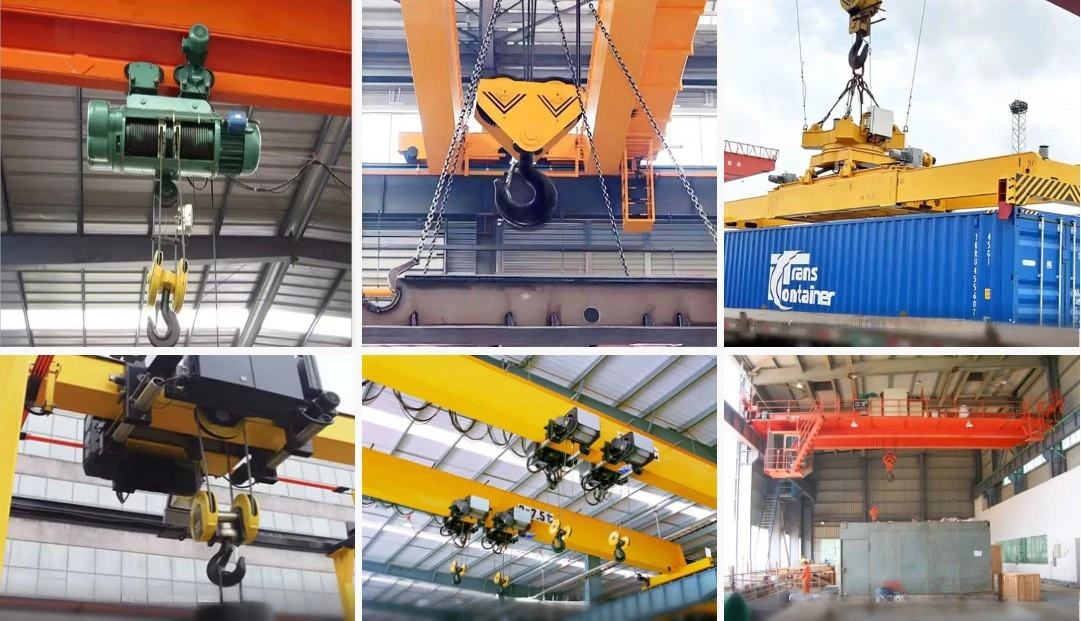
Crane:Overhead cranes,Gantry cranes,Port lifting equipment and etc.
Electric Hoist: Supplies power to achieve precise lifting and lowering.
Manual / Electric Chain Hoist: Suitable for lifting medium and light loads.
KBK Modular Truss System: Used for efficient material handling inside factories.
How to Select a Right Crane Hook Block
Selecting the proper crane hook block depends on several factors:
Load Capacity: Confirm the maximum weight you need to lift.
Application: Choose the appropriate hook block type according to your specific lifting tasks (e.g., heavy‑duty, high‑altitude, or precision lifting).
Safety Requirements: Take into account the safety standards required for your operations.
Ease of Use: Evaluate the speed and convenience of hook block installation and removal.


