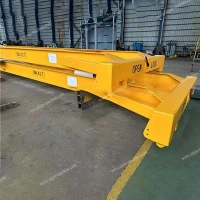
As an experienced supplier of packing straw grab buckets, one of our most‑frequently received technical questions is whether these agricultural‑purpose grabs need regular maintenance. Many operators assume straw grabs are heavy‑duty and can run non‑stop without servicing. In reality, packing straw is fibrous, dusty and full of fine debris that accelerates component wear. Without proper care, you will face unexpected breakdowns and costly production downtime.
This blog explains why maintenance matters, lists key service points, provides practical inspection schedules, shares common operating faults, compares it with other grab types, and gives actionable advice for your daily site management.


What Is a Packing Straw Grab Bucket
A packing straw grab bucket is a specialized attachment built for grabbing, lifting and transporting baled or loose packing straw. Widely deployed in agricultural farms, straw packing plants, biomass processing sites and waste‑recycling facilities, it is engineered to handle large volumes of light‑weight fibrous straw material.
Although the grab is constructed with reinforced steel to withstand heavy repetitive work, straw dust, fiber entanglement and continuous cyclic operation will gradually wear moving joints, hydraulic seals and grab teeth. Like all heavy‑duty attachments, it requires systematic preventive maintenance to keep stable performance.
Why Preventive Maintenance Is Critical for Straw Grabs?
Some end‑users run the grab until parts completely fail, believing maintenance is unnecessary extra work. This approach creates hidden risks for your site operation:
Extended equipment service life: Fibrous straw debris acts as abrasive contamination. Regular cleaning and lubrication reduce accelerated wear on pins, bushings and hydraulic seals.
Minimize unplanned downtime: Sudden failure of pivot points, leaking hoses or broken grab teeth will stop your straw‑handling workflow, causing schedule delays and labor waste.
Keep stable grabbing performance: Worn teeth or poorly‑lubricated linkages lead to poor closing force, straw slipping and reduced working efficiency.
Lower long‑term operating cost: Preventive inspection avoids expensive emergency component replacement compared with run‑to‑failure repair mode.
Core Components for Inspection and Maintenance
Straw grabs suffer unique wear from tangled straw fibers and fine dust. Focus your maintenance work on these four core areas.
1. Moving Mechanical Linkages and Pivot Points
Hinges, pins, bushings and connecting linkages form the core mechanical movement system. Straw fibers and dust easily stick into joint gaps during operation. If debris accumulates, it creates abrasive grinding between metal surfaces.
Maintenance steps:
Inspect every shift for visible wear, grooves, deformation or loose fasteners on pins and hinges.
Clear tangled straw, dust and debris from joints with wire brush or compressed air.
Apply high‑grade multi‑purpose grease at all lubrication nipples following recommended intervals.
Replace heavily worn pins and bushings in time; do not continue running with excessive joint clearance.
2. Hydraulic System (For Hydraulic‑Driven Straw Grabs)
Most modern packing straw grab buckets rely on hydraulic power to drive grab arm opening and closing. Straw dust can invade seal gaps and pollute hydraulic oil, causing gradual performance degradation.
Maintenance steps:
Check hydraulic oil level and oil quality regularly. Replace oil immediately if you find cloudiness, particle contamination or oil deterioration.
Thoroughly inspect hydraulic hoses, pipe joints and cylinder seals for oil seepage or leakage. Even tiny leaks will gradually reduce system pressure and may trigger total hydraulic failure.
Check hydraulic filter condition; replace filter element according to working‑hour requirements.
Avoid over‑pressure operation caused by overloading straw bales, which will damage cylinders and seals.
3. Grab Teeth and Working Jaw Structure
Grab teeth directly contact rough straw bales, suffering impact, friction and fiber winding. Dull, cracked or broken teeth are the most‑common failure for straw grabs.
Maintenance steps:
Visual check after each working shift: look for tooth wear, chipping, bending or cracks on jaw plates.
Sharpen blunt teeth or replace severely‑damaged teeth. Sharp teeth ensure reliable grip on straw bales and reduce extra stress spread to linkages and hydraulic cylinders.
Inspect grab jaw body for welding cracks caused by repeated impact; repair welding defects timely.
4. Storage and Idle‑Period Care
Many straw‑processing sites are seasonal. When your packing straw grab bucket stays idle for weeks or months:
Fully clean all straw residues and dust across the whole grab.
Re‑grease all pivot joints to prevent rust.
Keep the grab in dry covered storage space; protect hydraulic ports and exposed cylinder rods from moisture and dust.
Perform a full visual inspection every 2‑3 months even without operation.
Practical Maintenance Schedule By Usage Frequency
Adjust inspection cycles according to your actual working intensity, not only calendar time.
| Usage Frequency | Inspection Items | Service Frequency |
| Daily heavy‑duty operation (multiple shifts per day) | Moving joints cleaning and greasing, grab‑tooth check | Every working shift |
| Daily heavy‑duty operation | Hydraulic oil level, hose and seal leakage check | Weekly |
| Daily heavy‑duty operation | Full‑condition check, oil and filter replacement | Every 200‑250 working hours |
| Intermittent use (≤1 time per week) | Full visual inspection, clean and grease all joints | Monthly |
| Long‑term idle storage | Anti‑rust inspection, joint re‑grease | Every 2‑3 months |
Common Minor Faults and Quick Troubleshooting
Grab cannot close tightly / straw bales slip out: Check for seriously worn teeth; inspect pin‑bushing excessive clearance; remove straw fibers stuck between jaws.
Slow grab opening and closing: Check hydraulic oil level and contamination; search for hidden hydraulic leakage points.
Abnormal noise from pivot joints: Lack of lubrication; clean joints and refill grease; check for deformed pins.
Comparison with Other Common Grab Buckets
To help you better understand maintenance differences across grab types, we briefly compare packing straw grab buckets with other popular grab solutions:
Hydraulic Excavator Grab: Designed for heavy‑duty excavation and construction with much higher load capacity. It features larger and more complex hydraulic circuits. Both mechanical linkages and hydraulic parts face heavier wear, requiring more intensive maintenance work.
Mechanical Orange‑Peel Grab: Pure mechanical operation without hydraulic circuits. Maintenance mainly focuses on mechanical linkages, pin lubrication and alignment adjustment. No hydraulic‑oil‑related servicing work.
Mechanical Clamshell Grab: Depends entirely on mechanical linkages. Key inspection targets include pins, connecting rods and clamshell jaws to prevent loss of clamping force.
Hydraulic Clamshell Grab: Combines clamshell jaw structure plus hydraulic drive. Operators need to maintain both hydraulic components (oil, hoses, seals) and mechanical linkage parts.
Scissors Grab: Features special scissor‑type pivot mechanism. Focus maintenance on scissor arms and pivot points, regular cleaning and lubrication to guarantee smooth movement.


Frequently Asked Questions (FAQ)
Q1: Can I skip maintenance if my packing straw grab bucket looks fine?
A: Visually normal appearance cannot reflect internal pin wear or hidden hydraulic seal aging. Straw fiber contamination develops gradually. Skipping preventive service will lead to sudden failure during peak‑production periods.
Q2: What grease should I use for packing straw grab pivot points?
A: Select high‑pressure multi‑purpose lithium‑based grease suitable for outdoor agricultural working conditions. Follow your grab operation manual for exact recommendations.
Q3: Is it possible to repair cracked grab teeth by simple welding?
A: Minor surface cracks can be repaired by professional hard‑facing welding. If teeth are heavily deformed or fractured, direct replacement is more reliable than repeated welding repair.
Conclusion
Packing straw grab buckets absolutely require regular preventive maintenance. Straw‑filled working environments bring unique abrasive contamination and fiber entanglement risks. Following a practical inspection schedule, cleaning debris, lubricating moving joints, checking hydraulic status and monitoring grab‑tooth condition will effectively extend your grab's service life, keep stable grabbing performance and avoid unexpected production stops.
If you are sourcing high‑quality packing straw grab buckets for agricultural or biomass‑handling projects, our engineering team can provide professional technical support. Please feel free to contact us for product specifications, custom solutions and quotation matching your working conditions.