1. Waste Scrap Treatment and Recycling Industry
This is the most typical and widely applied field.
Municipal Solid Waste Transfer: Compacted municipal solid waste is quickly and thoroughly unloaded from containers into storage pits or into incinerator feeding systems. Weighing data is used directly for settlement with waste collection companies and for internal processing volume statistics.
Industrial Waste and Hazardous Waste: Safe and enclosed unloading, avoiding human contact. Weighing data is used for compliance monitoring and cost calculation.
Scrap Metal (Scrap Steel) Recycling: Efficiently unloading heavy, tangled scrap steel to storage yards or loading ports. Weighing data is the direct basis for trade settlement and production input.
Construction and renovation waste: Quickly unload bricks, concrete blocks, and other debris.
2. Bulk Materials and Agricultural Products Industry
Ports and Grain Storage: Used for unloading bulk grains, feed, fertilizers, etc. Containers go directly to warehouses or docks, and tipping unloading greatly reduces cargo damage and loss (compared to grab buckets). Weighing data is used for trade handover and inventory management.
Food Processing: Unloading bulk raw materials such as sugar, salt, and potato chips.
Building Materials and Chemicals: Unloading bulk materials such as plastic granules, wood chips, and ores.
3. Specialty Materials and Processes Industries
Frozen and Refrigerated Industry: Unloading frozen blocks of goods such as fries, seafood, and meat; tipping is the only efficient way to unload them intact, and weighing is used for inventory and cost control.
Paper and Textile Industry: Unloading recycled cardboard boxes, bundles of waste paper, textile scraps, etc.
Viscous Material Handling: Such as sludge containers in wastewater treatment plants; tipping allows for complete emptying.
4. Logistics and Supply Chain Links Requiring Strict Weight Monitoring
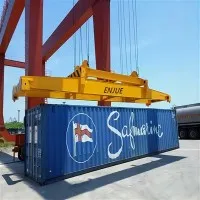
Container Loading Station: During container loading, containers are tilted and weighed to ensure their weight complies with international maritime safety regulations (SOLAS Convention) and is evenly distributed before shipment.
Internal Logistics Transfer: Within large industrial areas (such as steel mills and power plants), containers carrying materials circulate between different workshops. Tilting machines serve as fixed-point unloading and weighing stations.