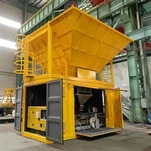
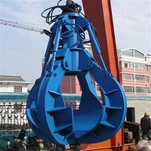
The conveyor loader is a mechanical device designed to transport materials along a predefined path using conveyors, which may incorporate belts, chains, or rollers. It plays a crucial role in various industrial and logistical settings by facilitating the efficient movement of goods.
 Key Features and Functions of the conveyor loader
Material Transport Mechanism:
Conveyor loaders rely on mechanical conveyors (belts, chains, or rollers) to move materials continuously.
Unlike vacuum loaders, which use suction for fine powders, conveyor loaders are optimized for bulkier items and high-volume applications.
Continuous Flow:
They provide a steady, uninterrupted flow of materials, making them ideal for operations requiring constant transfer (e.g., manufacturing lines, warehouses).
High Throughput:
Designed for efficiency, conveyor loaders can handle large volumes of goods, reducing manual labor and improving operational speed.
Integration with Systems:
Some models, like those in gaming or simulation contexts, can connect to machines and containers, automating the loading of specific resources onto conveyor belts.